Turf Laying in Cranford
If you are looking for turf laying in Cranford, you probably want more than just a fresh-looking lawn. You want a space that looks neat, feels comfortable underfoot, and is ready to use without months of waiting for seed to establish. Whether you are improving a family garden, refreshing a rental property, or finishing the outside space of a commercial site, professionally laid turf can transform the whole feel of an outdoor area quickly and reliably.
Cranford has a mix of property styles, from compact front gardens and side returns to larger private plots, shared communal spaces, and business premises that need a smart, usable finish. A local service matters because conditions vary from one street to the next. Soil quality, drainage, access to the garden, parking restrictions, and the type of surface being replaced all affect how turf should be prepared and installed. A well-planned project gives you a lawn that settles in properly and performs well over time.
Fresh turf is often chosen by homeowners who want instant impact, landlords preparing a property between tenancies, and businesses needing a presentable exterior with minimal disruption. New lawn installation is not just about rolling out grass; it is about careful preparation, the right materials, and enough attention to detail to help the lawn establish in Cranford’s varied conditions. If you are considering garden turfing, the information below will help you understand what to expect and how to prepare for a successful result.
Why turf laying is such a practical choice in Cranford

Many people choose turf because it creates an immediate improvement. Instead of waiting through a long growing period, you can enjoy a green surface straight away. For busy households in Cranford, that can be a major advantage. Children can use the garden sooner, pets have a proper area to enjoy, and outdoor spaces look cared for right away. This is especially helpful where a property is being prepared for new occupants or when a front garden needs to look tidy with little delay.
In an area with a range of older and newer homes, local knowledge makes a real difference. Some gardens have compact access through side gates or narrow paths. Others may have poor drainage, heavy clay soil, or leftover rubble beneath existing grass. A professional turf installation service can assess these issues before the work begins, helping to avoid common problems such as uneven surfaces, patchy rooting, or standing water after rainfall.
For commercial customers, the appearance of the outside space can influence how a premises is perceived. A clean, even lawn outside an office, care setting, school, or hospitality venue helps create a more welcoming first impression. Turf laying in Cranford is therefore not just a domestic improvement; it is also a practical investment for businesses that want to present a tidy and professional exterior.
What a professional turf laying service includes

Good results start before the first roll of turf is laid. Site preparation is often the most important stage of the process. A proper service usually begins with removing old lawn, weeds, stones, debris, or damaged surface material. The ground is then levelled and improved where necessary so the new turf can root evenly and drain correctly. If the soil is poor, suitable topsoil may be added to create a healthier base.
Once the surface is prepared, the turf is laid in a staggered pattern to reduce visible joins and help the lawn blend together. Edges are trimmed neatly around paths, flower beds, patios, fences, and borders. The lawn is then firmed in and watered to support the initial settling-in stage. In some cases, a light top dressing may be used to help the surface finish and encourage good contact between turf and soil.
Depending on the project, a turf laying service may also include advice on aftercare. That can cover initial watering, when to avoid walking on the lawn, how soon to mow, and what to do if the weather changes suddenly. Fresh turf supply and fit is most successful when the homeowner or site manager knows how to look after the lawn in the first few weeks.
How the process works from start to finish
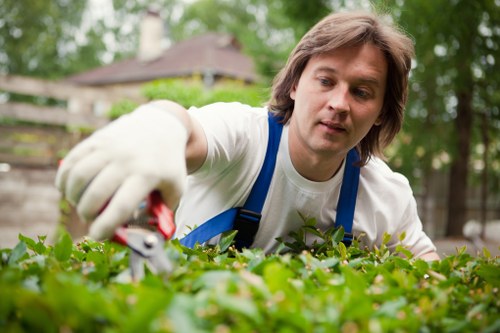
Every project starts with a site visit or an initial discussion. This is where the size of the area, ground condition, access issues, and your preferred finish are reviewed. For some clients, the aim is to replace an old, tired lawn. For others, the task may be to create a lawn where there has never been one before. The plan should reflect the shape of the space and how it will be used day to day.
After the assessment comes preparation. This stage can involve clearing the site, regrading uneven areas, improving drainage, and establishing clean, straight edges. If there are existing paving slabs, raised roots, or remnants of a previous lawn, these may need to be removed to create the right foundation. A well-prepared base helps the turf sit naturally and reduces the chance of future dips and hollows.
Finally, the turf is installed and finished with careful attention. Rolls are laid tightly together, joints are staggered, and the surface is lightly pressed so that the roots make good contact with the underlying soil. Once complete, you should be left with a lawn that looks neat and consistent from the moment the work is finished. Good turf laying is as much about preparation as it is about the final roll-out.
Local property types and common lawn challenges in Cranford
Cranford includes a wide range of homes and premises, and each one brings different challenges. Some properties have smaller urban gardens where access is tight and materials need to be carried carefully through side passages. Others have larger rear gardens where soil variation and surface levelling become more important. There are also communal green spaces, nursery grounds, and commercial forecourts where the turf has to withstand regular foot traffic.
One common issue is compacted ground. If an old lawn has been used heavily, especially in family gardens, the soil below can become hard and difficult for water to penetrate. Another issue is patchy drainage, particularly where the ground naturally holds water or previous landscaping has altered the surface levels. A local lawn turfing team can identify these problems early and adjust the groundwork accordingly.
Access can also influence the practical side of the job. In some Cranford streets, parking near the property may be limited, and carrying turf, topsoil, or waste materials can take extra planning. This is one reason local experience matters. A team familiar with the area can plan loading, timing, and logistics in a way that reduces disruption to neighbours, businesses, and residents. For more complex sites, this can save a great deal of inconvenience.
Benefits of choosing fresh turf over seeding
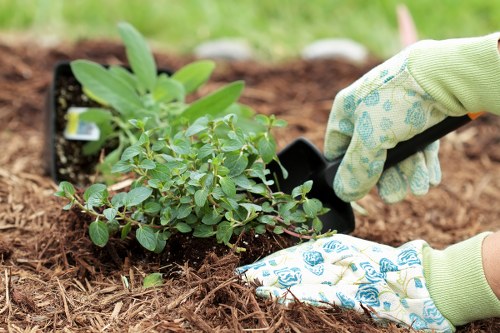
Both turf and seed can create a healthy lawn, but turf offers a faster and often more predictable result. If you want a usable garden quickly, turf is usually the better option. It is especially appealing for family homes, rental properties, and businesses that need immediate presentation. Turf provides near-instant coverage, so bare patches and uneven ground are hidden right away.
Another benefit is reduced weed competition during the early stages. Because the surface is already established, turf tends to create a stronger initial lawn than seed in areas where weeds might otherwise spread quickly. That said, it still needs care, particularly in the first few weeks while the roots settle into the soil below.
For many customers, the visual difference is a key reason to choose it. A fresh lawn can make a patio look more inviting, improve the appearance of a front garden, and bring the whole property together. If you are selling, letting, or simply improving your home, new turf laying can make a noticeable change without major structural work.
What you should prepare before turf is installed
A smooth project is easier when the site is ready. Before the team arrives, it helps to clear away furniture, toys, plant pots, washing lines, and any movable obstacles. If the garden has sheds, planters, or fixed features close to the lawn area, consider whether access around them is wide enough for equipment and materials. Good preparation speeds up the work and helps protect nearby features.
If you have pets, think ahead about where they will stay while the turf settles. Fresh turf is delicate at first, and paw marks can affect the surface before the roots have taken hold. Families with children may also want to plan for a short period of restricted access, especially if the lawn is being laid close to a patio or play area. This does not usually last long, but it is worth planning around school runs, visitors, or busy weekends.
It is also useful to discuss any garden features that need to remain in place. For example, existing steps, drainage covers, edging, or decorative stones may need to be protected during the work. A professional team will normally factor these details into the setup. If the lawn is part of a larger landscaping project, you may also want to coordinate turf installation with fencing, paving, planting, or border work.
How to look after new turf after installation
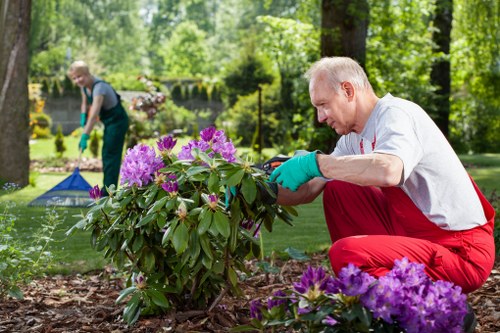
Aftercare is one of the most important parts of getting value from your investment. Newly laid turf needs water, stability, and time to root into the soil below. In the early days, consistent watering helps the turf remain healthy and prevents the edges from drying out. The exact amount depends on weather and the time of year, but the goal is to keep the surface evenly moist without flooding it.
It is usually best to avoid heavy foot traffic while the turf settles. Walking on it too early can create indentations and disrupt the root contact needed for growth. Mowing should also wait until the lawn has firmly rooted and the grass has reached a suitable height. At that stage, use a sharp mower and avoid cutting too short, especially during the first few trims.
Longer term, a new lawn benefits from regular but sensible care. That can include feeding at the right time of year, dealing with weeds promptly, and checking for drainage issues after heavy rain. If the turf has been installed in a high-use area, such as a family garden or entrance space, occasional maintenance helps it stay even and healthy. Well-maintained turf can remain attractive for years when the groundwork and aftercare are done properly.
Pricing factors for turf laying in Cranford
Every project is different, so the cost of turf laying depends on several practical factors rather than a one-size-fits-all rate. The size of the area is one obvious influence, but it is not the only one. Ground preparation can vary significantly from one site to another. A simple replacement of an existing lawn may take less work than a garden that needs full clearing, levelling, soil improvement, and edging.
Access is another important consideration. If materials have to be carried a long distance from the vehicle, if there is no convenient parking nearby, or if the garden can only be reached through narrow side access, the labour involved may increase. Likewise, if the site has difficult slopes, awkward corners, or old hard landscaping that needs to be removed, this can affect the overall scope of the job.
Some clients want turf only, while others need a fuller service that includes removal of old grass, topsoil installation, waste disposal, and final finishing. The best way to get a clear picture is to request a tailored quote based on the actual space. That allows the work to be planned properly, with realistic expectations and no surprises. Requesting a free quote is often the easiest first step.
Why choose a local company for turf laying
Choosing a local company offers practical advantages, particularly for work that depends on timing and site conditions. A local team is more likely to understand the layout of Cranford’s streets, typical property access, and the kinds of garden issues commonly found in the area. That local familiarity can help with planning, delivery, and efficient completion.
Local services are also easier to coordinate when your schedule is tight. If you are fitting turf around a property move, renovation, or business opening, prompt communication and flexible timing matter. A nearby team can often arrange visits, assess access, and complete the work with less delay than a company working from further away. This is especially helpful for customers who need practical solutions rather than general advice.
There is also value in working with people who understand the needs of both domestic and commercial customers. Private gardens, communal green spaces, and business frontage all require different priorities. A local team can tailor the approach, whether that means carefully working around children’s play areas, keeping noise and disruption low, or ensuring the final finish looks presentable from the street.
Areas and property types commonly covered
Turf laying services in Cranford typically suit a wide mix of locations and property types. This often includes:
- Front gardens and rear gardens
- Townhouse plots and terrace-style gardens
- Semi-detached and detached homes
- Rental properties and investment homes
- Commercial entrances and office exteriors
- Communal lawns and managed outdoor spaces
- Garden refreshes as part of wider landscaping work
Nearby areas can also be included depending on the project and access, such as neighbouring parts of Hounslow, Heston, Feltham, Southall, Osterley, and surrounding west London locations. If your property is close to a busy road, sits within a cul-de-sac, or has shared access, it is worth mentioning this early so arrangements can be planned appropriately.
Some customers want a small lawn only, while others need several sections of turf laid as part of a broader design. For example, a house might have a small back lawn, a side strip, and a front section that all need a consistent finish. A business site may need turf at an entrance, around signage, or in a customer-facing outdoor area. The service should adapt to the site rather than forcing a standard approach.
What makes a good turfing result?
A good result is usually easy to see, but it begins beneath the surface. The ground should be level without being unnaturally flat, and it should drain properly after rain. The turf should be laid tightly together with clean joins and no obvious gaps. Edges should be sharp and tidy, especially where the lawn meets paving, borders, or fences. These details give the lawn a professional appearance and help it settle well.
Another sign of quality is consistency. The lawn should look even across the whole area rather than patchy or lumpy in places. If the ground has not been properly prepared, problems may only show later, which is why attention to groundwork matters so much. A professional finish also takes into account how the lawn will be used. A family garden needs durability; a decorative front lawn may need a more refined finish.
It is also important that the turf type suits the site. Different lawns need different levels of hard-wearing performance, shade tolerance, and appearance. A local installer can help match the turf to the conditions, whether the garden gets full sun, partial shade, or regular use. That practical matching is often what separates a lawn that merely looks good on day one from one that continues to perform.
Frequently asked questions about turf laying in Cranford
How long does new turf take to settle?
Settlement times vary depending on weather, watering, and the quality of the soil below. In many cases, turf starts rooting within a few weeks, but full establishment takes longer. It is important not to rush the process. Good aftercare gives the lawn a much better chance of developing properly.
Can turf be laid all year round?
In many cases, yes, but conditions matter. Turf can usually be laid in a wide range of seasons if the ground is workable and the weather is suitable. Very dry, frozen, or waterlogged conditions are less ideal. The best timing depends on the site and the current weather pattern.
Do I need to remove my old lawn first?
Usually, yes. Old grass, weeds, and damaged surface material are typically removed before new turf is installed. This creates a better base and helps the new lawn root evenly. If the existing area is in poor shape, more extensive preparation may be needed.
How much watering does new turf need?
New turf needs regular watering in the early stages, especially during warm or dry periods. The goal is to keep the roots and underlying soil moist enough to support establishment. Overwatering should be avoided, but drying out too much can damage the lawn. A professional team can explain the best approach for the season.
Can turf be installed on a slope?
Yes, but sloped areas need careful preparation to keep the surface stable and support water movement. The angle, soil type, and intended use all matter. A steeper or more awkward slope may need extra groundwork or edging to help the turf stay in place.
Is turf suitable for shaded gardens?
Yes, though the type of turf and the care routine should reflect the amount of shade. Areas with little direct sun can be more challenging for lawns, especially if they are also damp or heavily used. Matching the turf to the conditions helps improve long-term success.
Ready to improve your outdoor space?
If your garden, frontage, or commercial exterior needs a fresh start, turf laying in Cranford is one of the quickest ways to make a noticeable improvement. A well-prepared lawn can brighten a property, make outdoor space more usable, and create a cleaner overall appearance. Whether you want a small residential lawn replaced or a larger area professionally finished, a local service can help you plan the work properly from the beginning.
When you are ready, contact us today to discuss your area, your access needs, and the type of finish you want. If you are comparing options, request a free quote so you can understand what is involved before making a decision. If you already know what you need, book your service now and take the next step toward a better lawn.
The best turfing projects are built on practical preparation, reliable installation, and aftercare that supports the lawn once it is in place. For customers in Cranford, that means choosing a team that understands local property types, access limitations, and the day-to-day use your outdoor space needs to handle. A new lawn should not just look good on completion; it should also be ready to support family life, visitors, tenants, or customers in the months ahead.
Common reasons people choose turf installation
- Replacing an old, patchy, or uneven lawn
- Creating a garden that is ready to use quickly
- Improving the appearance of a property before viewings
- Refreshing a rental or managed property between occupants
- Updating a commercial outdoor area for a smarter finish
- Completing a landscaping project with a natural green surface
Practical final note
Fresh turf can change the look and feel of your property in a single project. With the right preparation and a local approach, it becomes a long-lasting part of the space rather than just a quick visual fix. If you are planning lawn replacement or a new garden finish in Cranford, now is a sensible time to start the conversation and arrange an assessment.
Book when you are ready
Contact us today to take the next step and arrange your turfing work in a way that suits your property, your schedule, and your outdoor plans.