Artificial grass installation in Cranford
If you are looking for a neat, low-maintenance outdoor space that stays attractive through wet winters, busy school runs, and everyday family use, artificial grass installation in Cranford can be a smart choice. Local homes and businesses often want a lawn that looks good without the constant mowing, patching, feeding, and muddy footprints that come with natural turf. Whether you have a small front garden, a practical back yard, a shared communal area, or a commercial frontage that needs to stay presentable, an expertly installed synthetic lawn can transform the space in a way that feels clean, usable, and long-lasting.
Cranford has a mix of property styles, from traditional homes with modest gardens to newer developments, side returns, and compact outdoor areas where every square metre matters. That is exactly why a tailored approach is important. A proper installation is not just about rolling out grass and hoping it fits. It involves planning the groundworks, managing drainage, preparing a stable base, and selecting the right finish for how the space will actually be used. Done well, it can create a practical outdoor area that feels ready for children, pets, visitors, customers, or quiet relaxation.
Many local customers start with the same concerns: “Will it drain properly?”, “Will it look realistic?”, “Can it work around awkward shapes?”, and “How much preparation will be needed?” Those are the right questions to ask. A good artificial turf installation should be designed around your property, not squeezed into it. If you are considering an upgrade for your Cranford garden or business premises, this page explains what to expect, what is included, and why a local team is often the most convenient way to get the job done properly.
Why homeowners and businesses in Cranford choose artificial grass

There are plenty of reasons people in Cranford decide to replace natural turf with synthetic grass. For some, it is about reducing maintenance. For others, it is about improving a problem area that never seems to recover after rain, shade, heavy use, or poor soil. In many local gardens, a traditional lawn can struggle because of narrow access, mature trees, or regular foot traffic. Artificial grass offers a consistently tidy look with far less effort, which makes it appealing for busy households and commercial settings alike.
For families, one of the biggest benefits is usable space. A natural lawn can become muddy and slippery, especially during colder months. Artificial grass creates a cleaner surface for play, seating, and day-to-day use. For pet owners, it can be easier to keep the garden looking smart between clean-ups, and for landlords or property managers it can make a front or rear garden more presentable without constant upkeep. If you are managing a rental property, a shared access space, or a small business entrance, the time saved on maintenance can be significant.
Artificial grass is especially useful where the ground conditions are less than ideal. Shady plots, compacted soil, uneven lawns, and spaces with tricky water flow can all benefit from a properly built synthetic surface. Instead of trying to force a natural lawn to survive, you can create a finished space that holds its shape and appearance more reliably. That is one reason local customers often ask for synthetic lawn fitting as part of a broader landscaping project.
Common reasons people request a new lawn
- Low maintenance: no mowing, edging, or seasonal reseeding.
- Better year-round appearance: the surface stays neat in most weather conditions.
- Improved usability: ideal for children, pets, seating areas, and everyday family use.
- Problem area solution: works well for patchy, worn, or shaded lawns.
- Cleaner finish: reduces mud tracking into the home or business premises.
- Versatile applications: suitable for gardens, courtyards, play areas, and commercial landscapes.
What an artificial grass installation usually includes
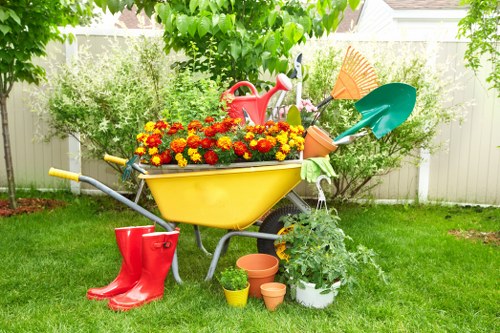
A professional installation should cover more than the visible grass layer. The quality of the groundwork makes a major difference to how the lawn looks and performs over time. The process usually begins with a site assessment so the installer can understand the size, access points, existing ground condition, and any drainage concerns. This is particularly useful in Cranford, where some properties have narrow side access, limited front-garden space, or shared entry points that need careful handling.
Next comes the preparation stage. Existing turf may need to be removed, along with old soil, uneven sections, or unsuitable materials. A stable sub-base is then installed, compacted, and levelled to create a reliable foundation. This step is critical because the finished surface is only as good as what sits underneath it. A properly prepared base helps the grass stay even, reduces sinking or movement, and supports good water drainage.
The final stage includes fitting the chosen turf, trimming it to shape, joining panels where needed, and securing the edges neatly. Depending on the product and the site, additional infill may be used to improve stability and the feel underfoot. Edging and border details can also be added to give the space a sharper finish. When the job is done well, the result should look clean, feel comfortable, and suit the way you want to use the area.
Typical elements included in a proper installation
- Initial inspection and measurement
- Removal of existing lawn or unsuitable surface
- Ground levelling and sub-base preparation
- Drainage planning where required
- Supply and fitting of artificial turf
- Trimming, joining, and edge finishing
- Final tidy-up and surface brushing
How the service works from start to finish

Most customers want a clear process they can understand before booking. That starts with a conversation about the space and what you want it to achieve. Are you looking for a simple family lawn, a pet-friendly surface, a decorative front garden, or a hard-wearing area for customers or staff? A good local installer will ask questions about access, current ground condition, and how you plan to use the area. This helps shape the materials and labour required.
After the initial discussion, the site is usually surveyed so the installer can assess any issues that may affect the work. For example, a garden close to a driveway, a shared alley, or a tight side passage can require more planning for waste removal and delivery. In parts of Cranford where parking can be limited or access is awkward, a local team is often better placed to manage the logistics efficiently. That can save time and reduce disruption for you and your neighbours.
Once the details are agreed, the installation schedule can be arranged. On the day, the team will remove the old surface, prepare the base, fit the artificial lawn, and finish the edges. The garden or outdoor area is then checked for appearance and function, and you should be left with a usable surface that is ready for regular life. The aim is simple: a tidy, durable result with as little hassle as possible for the customer.
What to expect on installation day
- Arrival and a quick review of the site layout.
- Protection of nearby areas where needed.
- Removal of the old lawn or existing surface.
- Construction of the sub-base and levelling.
- Cutting, fitting, and joining the turf.
- Final edging, brushing, and checks.
Why local knowledge matters in Cranford

Choosing a local installer for artificial grass installation in Cranford has practical advantages. Local teams are more likely to understand the types of gardens, access arrangements, and property layouts found in the area. That matters because no two installations are quite the same. A front garden in a busy residential street may need a different setup from a private rear garden, a nursery play area, or a small commercial forecourt. Local experience helps the work run more smoothly from the first site visit to the final finish.
Cranford is also close to a range of surrounding areas with similar property needs, and many customers want work carried out with minimal disruption. Whether you are near main routes, in a quieter residential road, or close to mixed-use premises, a local company can often schedule work more flexibly and plan around access limitations. This is particularly useful where materials need to be brought through narrow paths, side gates, or shared spaces.
Local knowledge also helps when it comes to drainage and seasonal conditions. Certain gardens hold water more readily than others, and a specialist who regularly works in the area can plan the base preparation with those realities in mind. That means the final lawn is not just visually appealing; it is better suited to the local environment and everyday use.
Why local service can be the better fit
- Better understanding of common access challenges
- More practical scheduling for residential and commercial jobs
- Familiarity with local property types and outdoor layouts
- Efficient handling of materials, waste, and site setup
- Clearer advice based on real local conditions
Artificial grass for different property types

One of the strengths of synthetic turf is its flexibility. It can be adapted for a wide range of spaces, which is why so many households and businesses in Cranford consider it a worthwhile investment. Small urban gardens can be transformed into cleaner, more usable areas. Larger family lawns can be given a consistent finish that is easier to manage. Commercial premises can benefit from a tidy exterior that presents well to customers and staff throughout the year.
For residential properties, the most common requests involve back gardens, front gardens, side returns, and areas where the natural lawn has become patchy or muddy. Artificial grass can also work well beside patios, decking, play spaces, and planting borders. In compact gardens, the visual effect can be especially noticeable because the whole area looks more ordered and intentional. For families who want a low-maintenance outdoor space, the reduction in weekly upkeep is often a major deciding factor.
For commercial customers, the priorities may be different. Business owners often want a smart, professional finish that stays presentable with minimal maintenance. This could include office entrances, hospitality outdoor areas, retail frontage, nursery spaces, or communal landscaped zones. A carefully chosen synthetic lawn can support a neat appearance while also standing up to regular foot traffic. If you manage a site where presentation matters, a durable artificial turf system can be a practical upgrade.
Suitable applications include
- Front gardens and decorative spaces
- Rear gardens and family play areas
- Pet-friendly outdoor areas
- Courtyards and side returns
- School or nursery play surfaces
- Office and business entrances
- Shared residential landscaped areas
Planning and preparation before installation
Good results begin before the turf is laid. If you are preparing for artificial lawn fitting, it helps to think about how the space will be used and what you want from it. Do you need a surface for children to play on? Is drainage a concern after heavy rain? Do you want a neat border around planting beds or paving? These details influence the recommended build-up and the choice of grass type.
It is also useful to clear the area as much as possible before the team arrives. While the installer will handle the main work, a little preparation can make the visit more efficient. Removing furniture, toys, planters, ornaments, and loose items can help the job start quickly. If access is through a side gate or shared path, checking that entry is free and available on the day can also avoid delays.
For properties with tricky access in Cranford, planning matters even more. Narrow paths, limited on-street parking, and small garden entrances can affect how materials are brought in and how waste is removed. A local installer will usually factor these points into the schedule, but customers can help by sharing any access issues early. That makes the process smoother and helps avoid unnecessary disruption.
Preparation checklist for customers
- Clear furniture and movable items from the area
- Remove fragile decorations or pots from nearby zones
- Check access gates, side passages, and entry points
- Share any drainage or ground concerns with the installer
- Consider where waste materials can be collected from
- Think about how you want to use the finished space
Pricing factors for artificial grass projects
Customers often want to know what affects the overall cost of an artificial grass project. While exact pricing depends on the site and the product selected, several common factors influence the amount of work involved. The size of the area is one of the biggest considerations, but it is not the only one. Ground preparation, access, edging, drainage work, and the condition of the existing surface all contribute to the final scope of the job.
The choice of artificial turf also matters. Some products are designed to look more decorative and natural, while others focus on durability and heavy use. A family garden, a pet area, and a commercial entrance may all need different specifications. Likewise, the amount of excavation required can vary. A flat, accessible area with a sound base may need less preparation than a sloped or uneven lawn that has to be rebuilt from scratch.
It is always sensible to request a tailored quotation rather than relying on assumptions. That way, you get a clearer understanding of what is included and whether any additional preparation is needed. A detailed quote should reflect the size of the area, the type of work involved, and the materials being used. Transparent pricing matters because it helps you compare options confidently and make the right decision for your property.
Main factors that influence the project scope
- Surface area to be covered
- Condition of the existing lawn or base
- Amount of excavation and waste removal
- Access to the garden or site
- Drainage or levelling requirements
- Choice of turf and finishing materials
- Edging, borders, or related landscaping work
What makes a good artificial lawn finish
A quality finish should look tidy from the edges, feel stable underfoot, and sit naturally in the landscape. The turf should be aligned correctly, with joins hidden as much as possible and borders finished neatly. The surface should not feel overly loose or uneven, and the pile should be brushed so it stands in a more natural direction. Small details make a big difference to the overall impression.
Drainage is another key factor. A good installation should allow rainwater to move away properly rather than sitting on the surface. That is especially important in areas that receive regular rainfall or have soil that retains moisture. Proper base preparation, correct levelling, and appropriate materials all support this outcome. When the groundwork is done well, the lawn is more likely to stay practical and pleasant to use.
For many customers, the best result is a lawn that looks finished without looking artificial in a harsh or obvious way. A balanced appearance, sensible pile height, and careful trimming can all help achieve that. The aim is not to make the space look overdone; it is to give it a clean, natural-looking finish that suits the rest of the property.
Signs of a well-finished installation
- Even surface with no obvious dips or high points
- Clean, tidy edging around paving, borders, and walls
- Hidden or well-blended joins
- Appropriate drainage and no standing water issues
- Comfortable feel for everyday use
Maintenance after installation
One of the main reasons people choose synthetic turf is the lower maintenance level compared with a natural lawn. That said, “low maintenance” does not mean “no maintenance.” A little regular care helps the surface stay smart and perform well. Brushing the pile occasionally can help it remain upright, particularly in high-traffic areas. Removing leaves, debris, and stray dirt will also keep the lawn looking fresh.
If pets use the area, prompt cleaning is important. Most pet-friendly installations can be kept in good condition with the right routine, but it helps to rinse down the surface when needed and prevent build-up. If the lawn is used heavily by children or for entertaining, periodic brushing and basic cleaning will keep it in better shape over time. This is still a far lighter workload than caring for a traditional lawn.
For busy Cranford households, that reduction in weekly chores can be one of the biggest advantages. Instead of mowing or repairing worn patches, you get more time to enjoy the garden. That is particularly helpful for families with limited free time, landlords between tenancies, or commercial sites that need to look presentable without regular groundskeeping.
Simple care tips
- Brush the pile occasionally to maintain appearance
- Remove leaves and debris after windy weather
- Rinse the surface when needed, especially in pet areas
- Keep nearby borders tidy to reduce dirt transfer
- Address spills or stains promptly using suitable cleaning methods
Areas covered around Cranford
Artificial grass installation is often requested not only in Cranford itself, but also in the surrounding neighbourhoods and nearby parts of west London and the wider local area. Customers may be based close to residential estates, transport links, retail areas, or mixed-use streets and still need the same careful approach to access and preparation. A local team can usually cover nearby locations efficiently while keeping the process straightforward for the homeowner or business.
Typical local work may include properties near Heathrow-adjacent routes, busy commuter corridors, and quieter residential pockets where outdoor space is at a premium. This matters because the practical details often change from one site to the next. Some customers need flexible timing to suit work schedules. Others need help dealing with limited parking, shared entrances, or tight garden access. Having a nearby installer makes that coordination easier.
If you are in Cranford or a nearby area and want a smarter, more durable outdoor surface, it is worth discussing the property conditions before the work begins. That helps ensure the right materials and installation approach are chosen for the site. When the right team handles the job, the result should feel tailored rather than generic.
Nearby area types often covered
- Residential streets with compact gardens
- Homes near busy roads and commuter routes
- Properties with side access or shared pathways
- Small commercial units and business frontages
- Courtyards, terraces, and communal outdoor spaces
Frequently asked questions
Can artificial grass be installed on any garden?
In many cases, yes, but the condition of the ground and the layout of the space will determine how much preparation is needed. Uneven, waterlogged, or badly worn areas may need extra groundwork before fitting can begin.
Is artificial grass suitable for pets?
Yes, many customers choose it for pet use. The key is using the right product and preparing the base correctly so it drains well and is easy to maintain. A pet-friendly setup can make the garden more practical and cleaner overall.
Will it work in a shaded garden?
Artificial turf is often a good option for shaded spaces where natural grass struggles. Because it does not rely on sunlight to grow, it can provide a more consistent appearance in areas under trees or beside fences and walls.
How long does installation take?
The time required depends on the size of the area, the amount of preparation, and the access available. A small, straightforward space may be completed more quickly than a larger or more complex project. A proper assessment will give you a better idea of timings.
Does it need much maintenance?
Not much compared with a real lawn. Basic brushing, clearing debris, and occasional rinsing are usually enough for most domestic and commercial settings. High-use areas may need a little more attention, but the routine is still simple.
Can artificial grass be used for commercial properties in Cranford?
Yes. It is a practical choice for business entrances, customer-facing outdoor spaces, and managed communal areas. The surface can help maintain a smart appearance with less ongoing upkeep.
More questions customers often ask
- Can it be installed around paving and decking?
- What happens to the existing lawn and waste?
- Is drainage checked before the turf is fitted?
- Can awkward shapes and narrow spaces be handled?
- Is it suitable for both front and back gardens?
Ready to book artificial grass installation in Cranford?
If you want a tidy, practical, and attractive outdoor space without the ongoing effort of maintaining a natural lawn, artificial grass installation in Cranford could be the right solution. It works well for family gardens, pet areas, commercial frontages, and problem lawns that never seem to settle. With the right preparation, materials, and attention to detail, you can create a space that feels more usable throughout the year.
Whether you are comparing options for a small residential garden or planning a larger project with more demanding access and drainage requirements, it helps to speak with a local specialist who understands the area and the type of properties found here. The right installer will look at the site carefully, explain what is involved, and help you choose a finish that suits your needs rather than forcing a one-size-fits-all approach.
Contact us today, request a free quote, or book your service now if you are ready to explore the next step. A well-planned installation can make a big difference to how you use your outside space, and the sooner the project is assessed, the sooner you can enjoy the benefits of a smarter lawn.